Pine Run Project Revives Native Rivercane in the D’Olive Creek Watershed
SPANISH FORT, Ala. – Giant rivercane, Arundinaria gigantea, is one of the only native bamboo species in North America and once formed extensive canebrakes throughout the southeastern United States. Historically, these dense stands of vegetation played a critical role in stabilizing stream banks, slowing floodwaters, trapping sediment, filtering pollutants and providing habitat for a diverse array of wildlife. Today, less than 2% of historic canebrake communities remain, making rivercane one of the most important native plants for riparian restoration efforts.

A major ecological restoration effort is helping restore water quality and native habitat within the D’Olive Creek watershed in Baldwin County, Alabama. The CONSERVE Research Group at The University of Alabama recently completed the installation of approximately 1,500 rivercane plants and rhizomes across a 5.8-acre restoration site, making it one of the largest rivercane restoration projects currently implemented in the southeastern U.S.
The Pine Run Native Vegetation and Water Quality Enhancement Project utilized a combination of giant rivercane planting, hydroseeding, soil improvement practices and site stabilization measures to establish native vegetation across previously disturbed portions of the floodplain. By increasing vegetative cover and strengthening root systems throughout the restoration area, the project is expected to reduce sediment movement, improve water infiltration, enhance floodplain connectivity and support long-term improvements in water quality. Other species of wetland native grasses and forbs were also incorporated into the restoration design to provide additional erosion control and habitat benefits while supporting the establishment of newly planted rivercane.
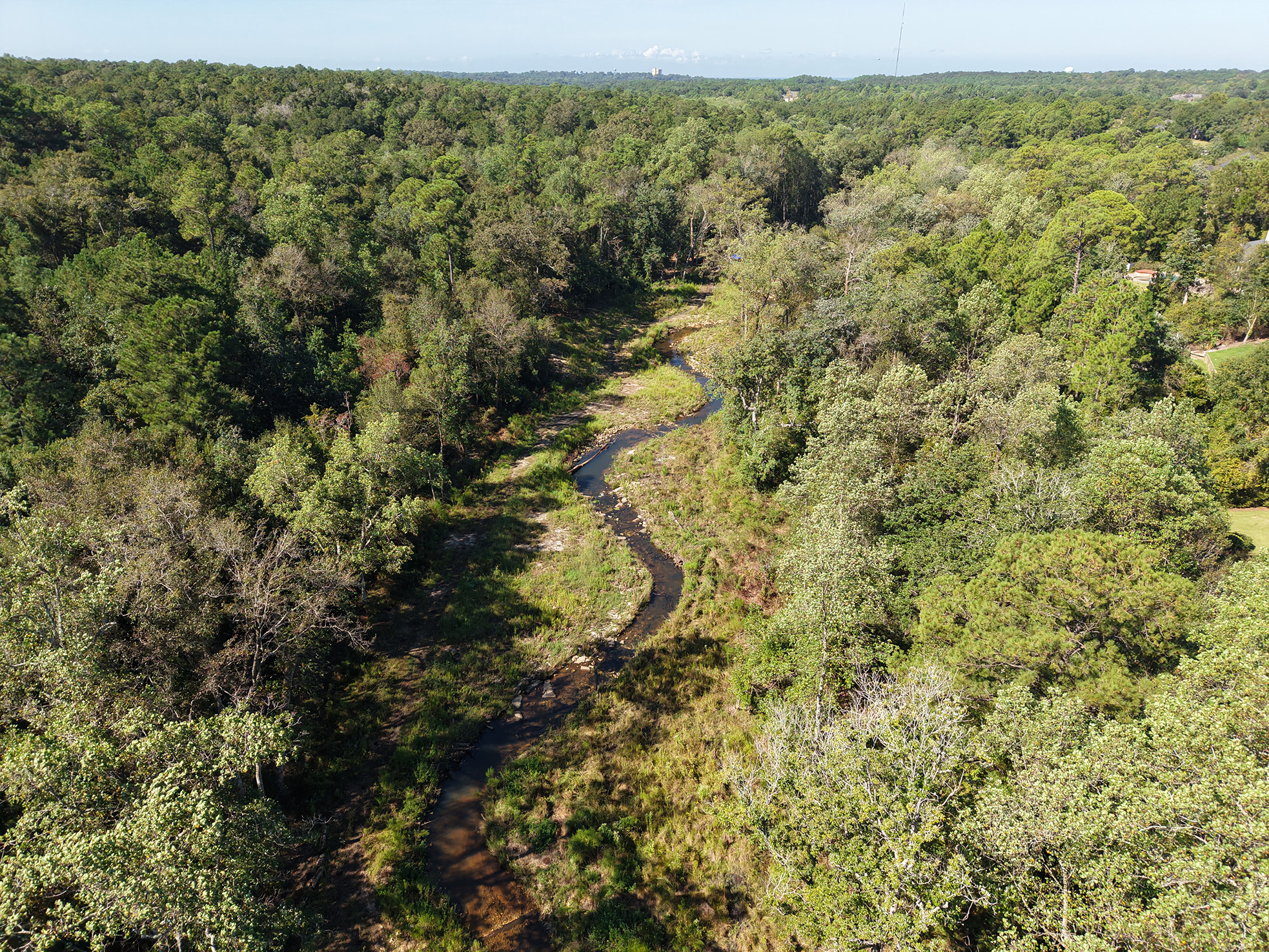
The project was funded through the Alabama Department of Environmental Management, or ADEM, using funding provided by the U.S. Environmental Protection Agency’s Clean Water Act Section 319 Nonpoint Source Program. The project was designed to restore vegetative structure and ecological function within a previously stabilized stream corridor by establishing native plant communities that improve water quality, reduce erosion, and enhance wildlife habitat.
Located within the D’Olive Creek watershed in Spanish Fort, this rapidly growing watershed encompasses approximately 8,700 acres that ultimately drain into Mobile Bay. The project represents an important step in restoring floodplain and riparian functions that naturally filter pollutants, stabilize soils, slow stormwater runoff, and improve downstream water quality.
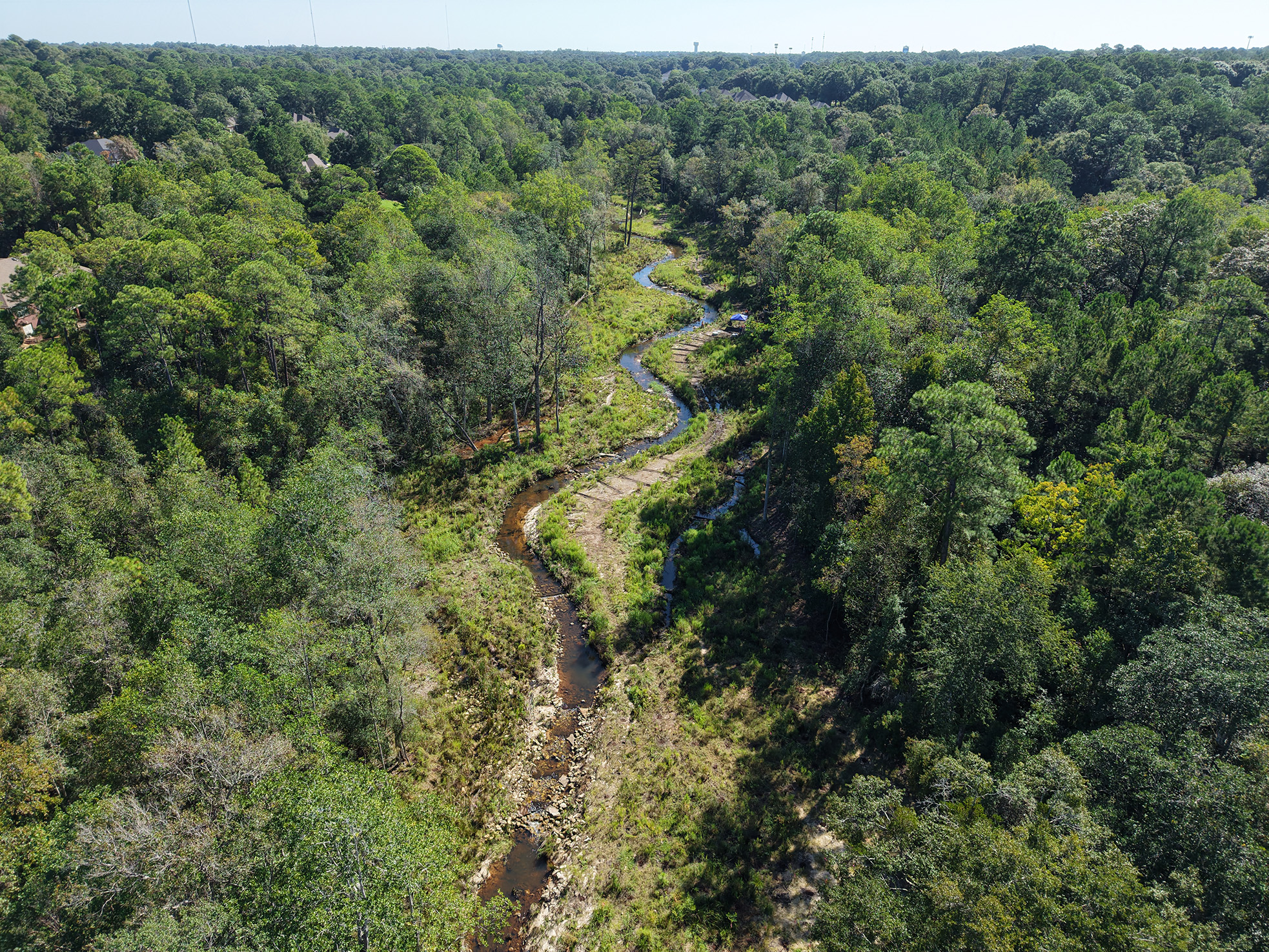
The restoration effort was made possible through a collaborative partnership among CONSERVE, Westervelt Ecological Services, the Alabama Wildlife Federation, Mobile Bay National Estuary Program and ADEM. Each partner played a critical role in supporting project planning, material procurement, implementation, outreach and long-term stewardship efforts. Through careful coordination and a shared commitment to watershed restoration, the project team successfully completed restoration activities within an accelerated implementation timeline.
The project demonstrates how collaborative conservation efforts can restore native habitats while simultaneously improving water quality and watershed resilience. As one of the largest rivercane restoration efforts currently underway in the southeastern U.S., the project showcases the value of giant rivercane and other native vegetation as a practical and effective solution for reducing nonpoint source pollution, stabilizing floodplains and enhancing wildlife habitat. The restored floodplain corridor at Pine Run will serve as a lasting example of how strategic restoration investments can reconnect natural ecological processes and help protect the valuable water resources that ultimately flow to Mobile Bay.

Josiah Gullatte is the CONSERVE Director of Watershed Conservation, Preservation and Restoration.
The Alabama Water Institute is one of The University of Alabama’s research institutes. AWI acts as a forum for interdisciplinary research and education by bringing together University researchers, students and staff to foster collaboration and a broad interdisciplinary focus on water issues that face our world today. AWI-affiliated researchers specialize in hydrologic and hydraulic modeling, water security and quality, remote sensing, biodiversity and watershed management and human health through synergies with AWI research programs, including the NOAA Cooperative Institute for Research to Operations in Hydrology, the Global Water Security Center and the CONSERVE Research Group.