
SALT LAKE CITY – With 232 registered attendees, 64 research posters and 25 lightning talks, the 2026 CIROH Developers Conference, or DevCon, highlighted the growing national community working to advance operational water prediction and decision support.
Held May 27–29 at the University of Utah, DevCon 2026 brought together researchers, students, forecasters, emergency managers and industry professionals from across North America. Through plenary sessions, technical workshops, poster presentations and networking events, participants explored how scientific advances can be translated into operational tools that improve forecasting, decision-making and community resilience.
From Research to Operational Decision-Making
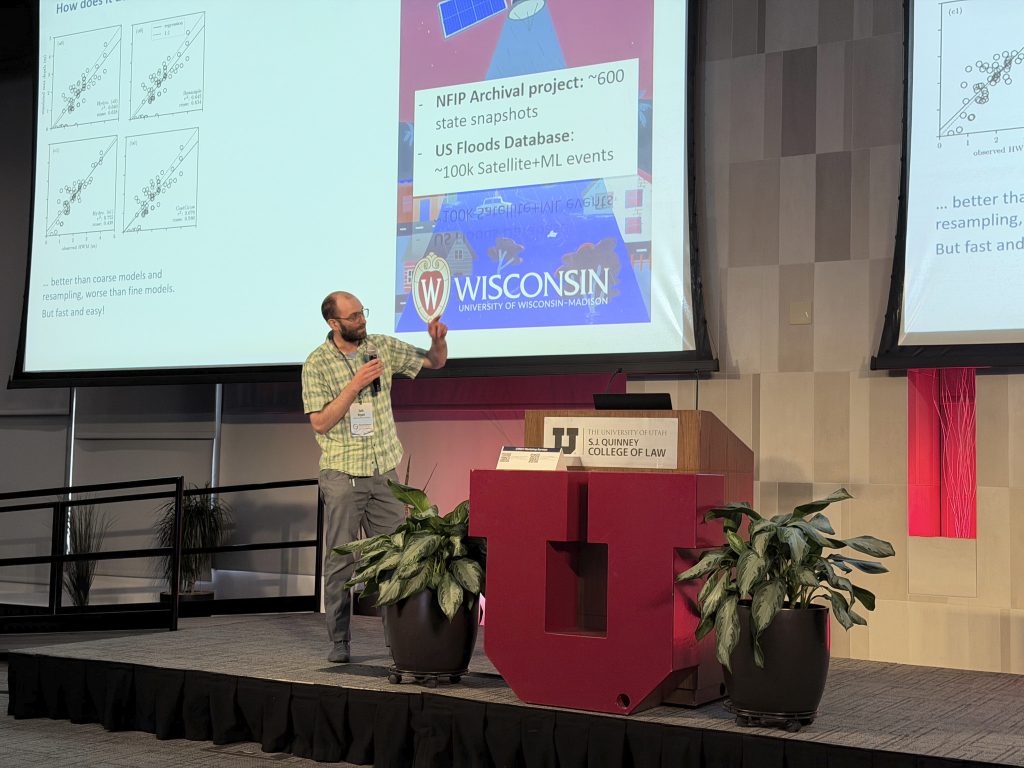
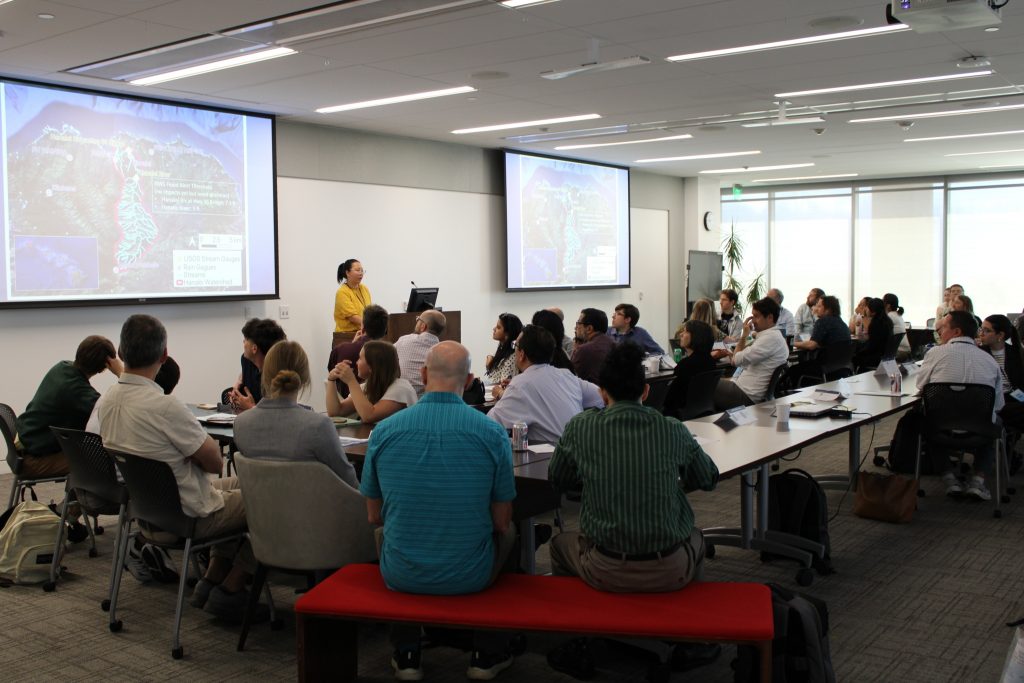
This year’s plenary sessions emphasized the growing importance of trusted operational forecasting and the partnerships required to deliver actionable water intelligence. Speakers from the National Oceanic and Atmospheric Administration’s Office of Water Prediction, National Weather Service, National Ocean Service and National Integrated Drought Information System joined representatives from the U.S. Geological Survey, U.S. Bureau of Reclamation, Public Safety Canada, Google and leading academic institutions to discuss current challenges and future priorities in water prediction.
Topics ranged from flood services modernization and drought early warning systems to emergency management decision support, large-scale flood inundation mapping and artificial intelligence applications in hydrology. Collectively, the presentations underscored a common theme: advancing water prediction requires close collaboration among researchers, operational agencies and end users to build trust in forecasts and ensure scientific innovations can support real-world decisions.


Hands-On Training for the Water Prediction Community
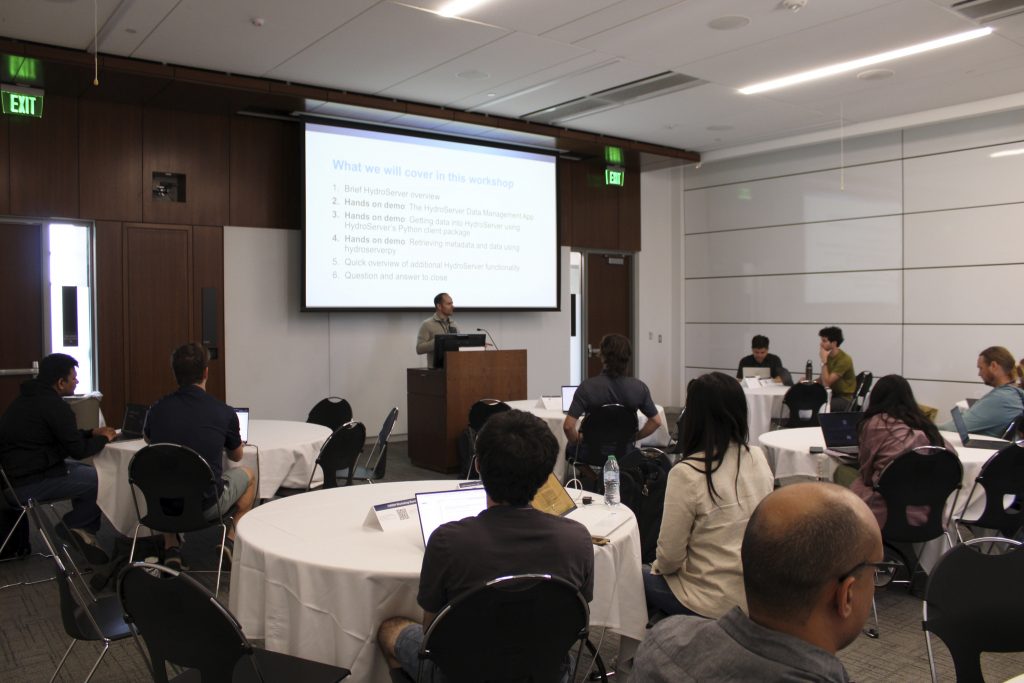
At the heart of DevCon were five specialized training tracks designed to provide participants with practical skills and direct experience using emerging tools, models and workflows.
Attendees selected from workshops focused on:
- Community NextGen
- Flood Inundation Mapping
- Hydroinformatics and Data Science
- Social Science and Communication
- Machine Learning, AI and Remote Sensing in Hydrology
The workshops emphasized applied learning, giving participants opportunities to work directly with operational frameworks, community datasets, machine learning tools and decision-support approaches that are increasingly shaping the future of hydrologic forecasting. Focus was placed on advancing flood inundation mapping capabilities, improving large-domain hydrologic modeling and exploring how AI can enhance forecasting performance and efficiency.



Information Exchange Across Sectors
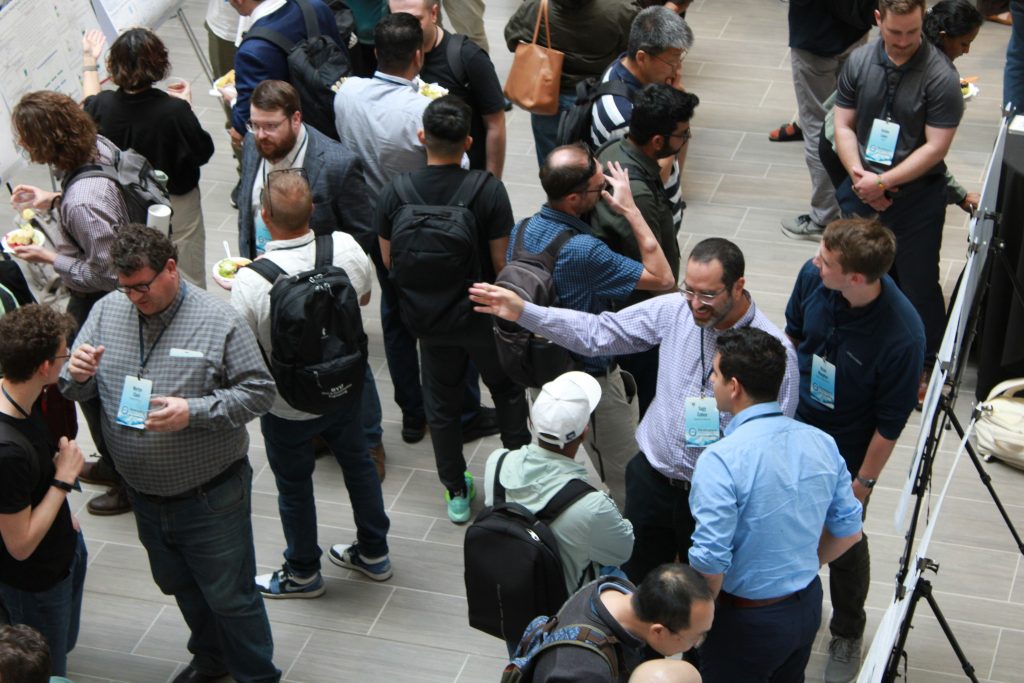
A defining feature of DevCon is the opportunity for participants from different disciplines and organizations to learn from one another.
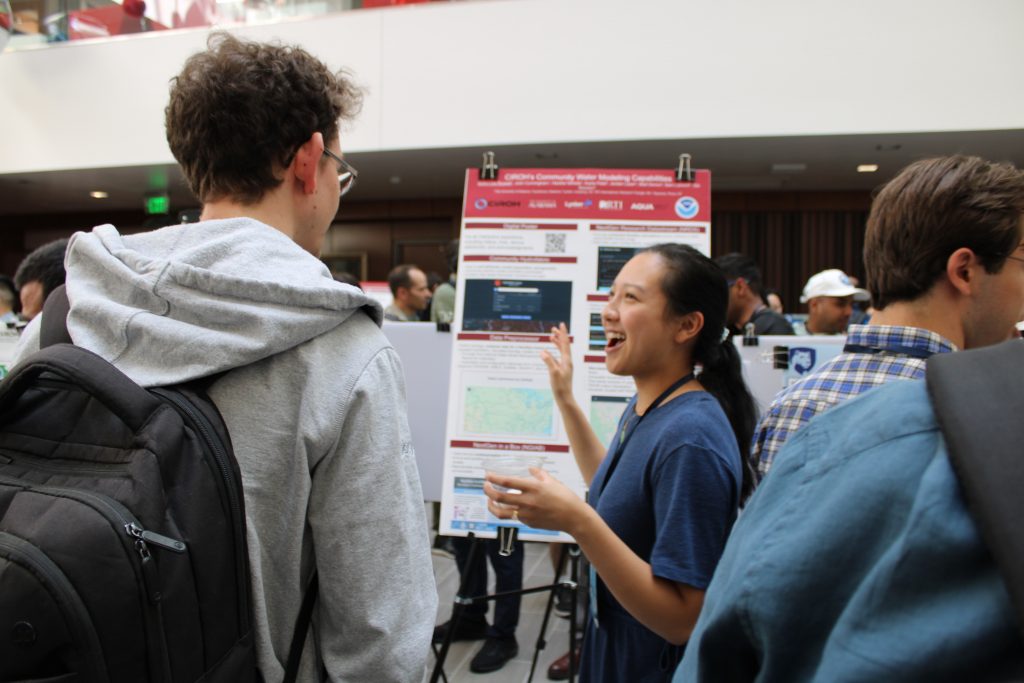
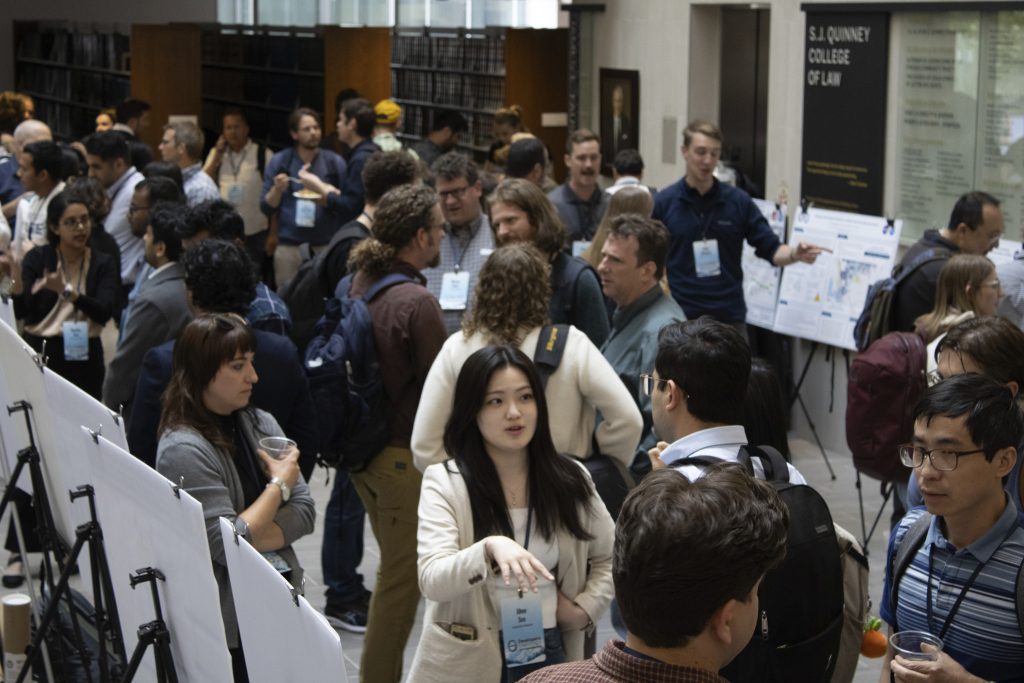
Beyond formal presentations, DevCon fostered the exchange of ideas through 64 research posters and 25 lightning talks that highlighted emerging science, operational challenges and new opportunities for collaboration. Together, these presentations created opportunities for researchers, hydrologists, emergency managers and industry partners to share perspectives and identify pathways for advancing water prediction capabilities.




Investing in the Next Generation
CIROH’s commitment to workforce development remained a central focus of DevCon 2026.
Students and early-career researchers presented their work, participated in technical workshops and engaged directly with leaders from federal agencies, universities and industry.
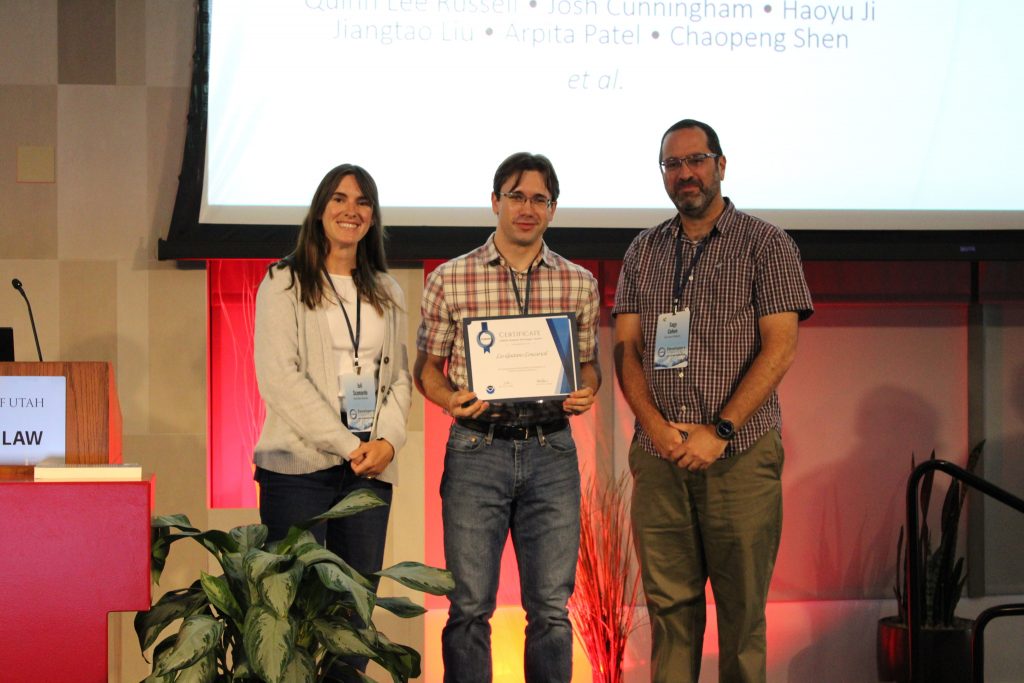
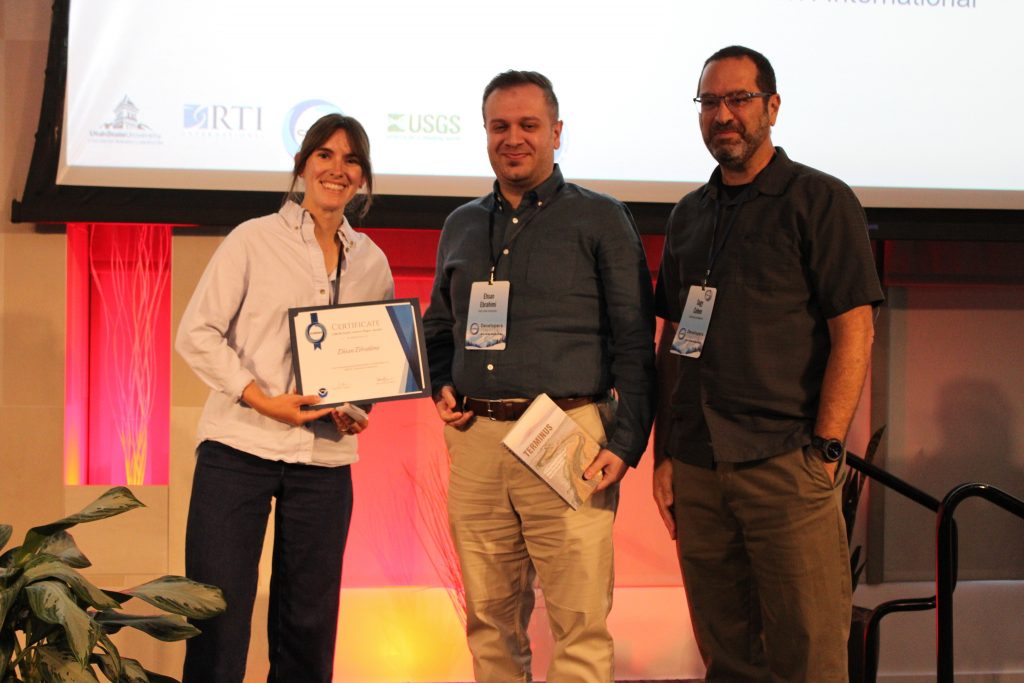
This year’s award recipients were recognized during plenary sessions:
- Student Developer Award: Leo Lonzarich, Pennsylvania State University
- Early Career Paper Award: Ehsan Ebrahimi, Utah State University
Their presentations highlighted the innovative research and technical contributions emerging from the next generation of water scientists and engineers.
Connecting Science to Place
Prior to the conference, attendees participated in optional educational field experiences that connected hydrologic science with real-world applications.
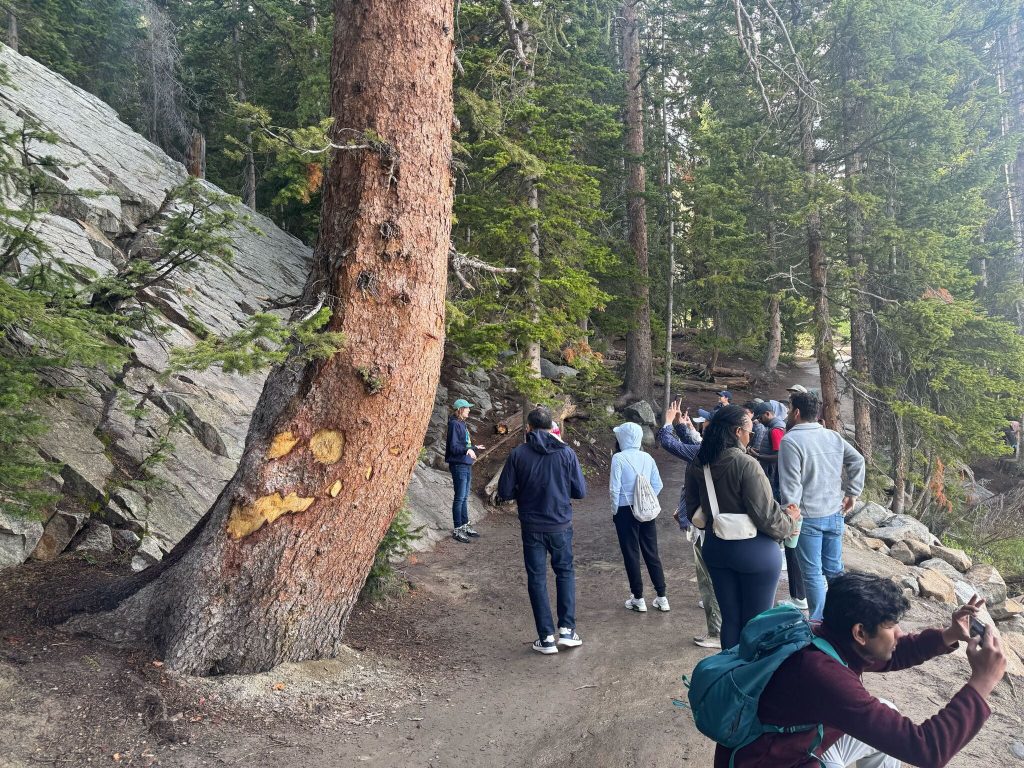
Participants visited the Colorado Basin River Forecast Center to learn about National Weather Service forecasting operations and collaboration opportunities. Others traveled to Silver Lake in the Wasatch Mountains, where discussions explored snowmelt processes, watershed dynamics, hydrologic connectivity and the role of headwater systems in downstream water supply.
These experiences provided valuable context for many of the conference discussions, illustrating how observations, modeling and forecasting intersect to support operational water management.

Looking Ahead
As water-related hazards become increasingly complex, the need for strong partnerships among researchers, operational agencies, emergency managers and decision makers continues to grow.
DevCon 2026 demonstrated the value of bringing these communities together to share knowledge, evaluate emerging technologies and advance the science that supports operational forecasting. The relationships strengthened, ideas exchanged and collaborations formed in Salt Lake City will help accelerate the delivery of actionable water intelligence and support more resilient communities in the years ahead.