TUSCALOOSA, Ala. – The Cooperative Institute for Research to Operations in Hydrology, or CIROH, hosted its fifth annual Science Meeting Sept. 14–17 in Tuscaloosa, Alabama, bringing together researchers, federal partners, students and collaborators to advance water science and strengthen the connection between research and operations.
Under this year’s theme, “The Next Horizon: From Forecast to Impact,” the meeting focused on emerging research priorities, operational needs and opportunities to strengthen collaboration across the water science community. The 2026 Science Meeting brought together more than 340 attendees, representing 53 organizations across academia, government, industry, nonprofit organizations and the student community. The program featured 86 presentations and 43 posters, 28 hours of sessions and discussions and four hours of dedicated networking time. Federal agency representatives accounted for 19% of attendees, underscoring the meeting’s emphasis on connecting CIROH research with operational partners.
Advancing CIROH’s Next Chapter
The meeting opened with remarks from organizational leadership, during which CIROH Executive Director Dr. Steven Burian formally announced the renewal of the consortium’s cooperative agreement with the National Oceanic and Atmospheric Administration, or NOAA. The renewal extends CIROH’s mandate to advance national water prediction, flood mapping and community resilience, marking an important milestone as the institute begins its next chapter.
The renewed agreement builds on CIROH’s partnership with NOAA’s Office of Water Prediction and its role in connecting research, operational needs and the communities that rely on water information. With the renewal, CIROH will continue bringing together researchers, federal partners, practitioners and other stakeholders to advance the science, tools and capabilities needed to strengthen water prediction and move research toward operational use.
“I am proud of what we have built in CIROH,” said Burian. “It is extremely rewarding for all of us to be a part of the enthusiasm, dedication and innovation of the unrivaled collection of operational hydrology expertise at the CIROH Science Meeting. I am excited for us to launch into the next horizon.”

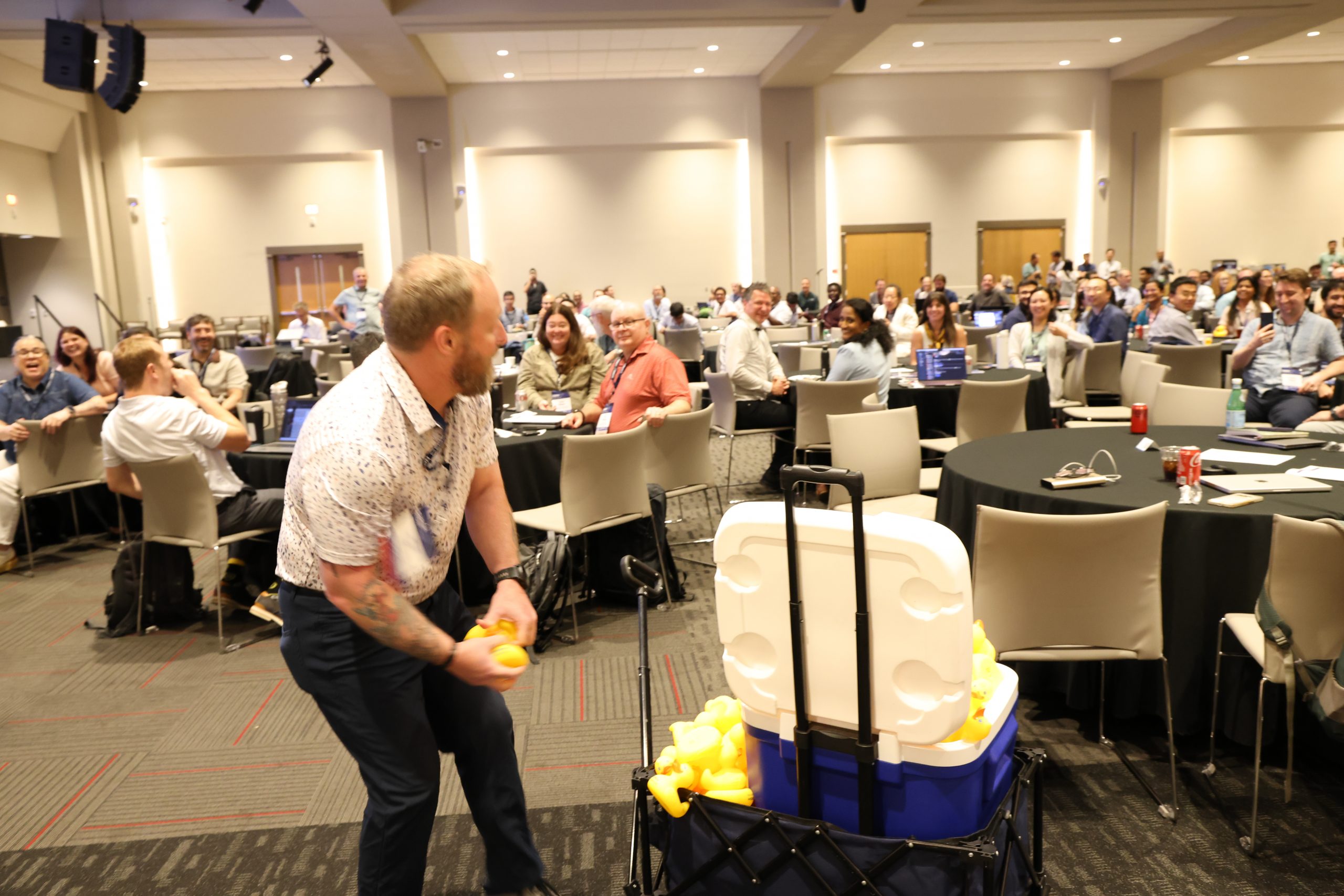

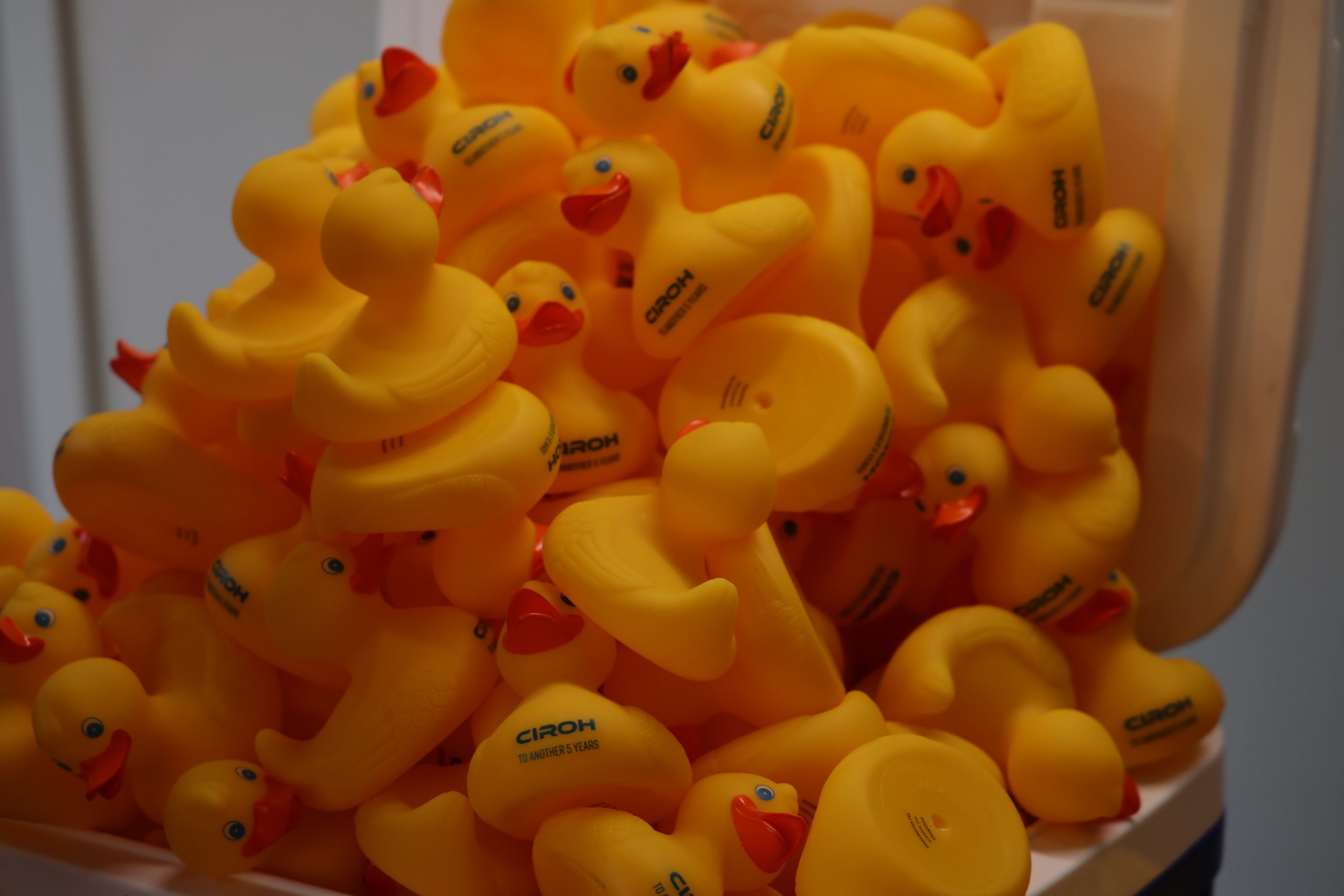
CIROH leadership and partners announce the cooperative institute’s renewal during the 2026 Science Meeting
Keynotes: Connecting Research, Operations and Impact
The 2026 keynote series brought together a wide spectrum of perspectives ranging from emergency response, federal water prediction operations and academic research. Presentations explored how water prediction can better support real-world decisions, from responding to flash floods to advancing standards and probabilistic forecasting.
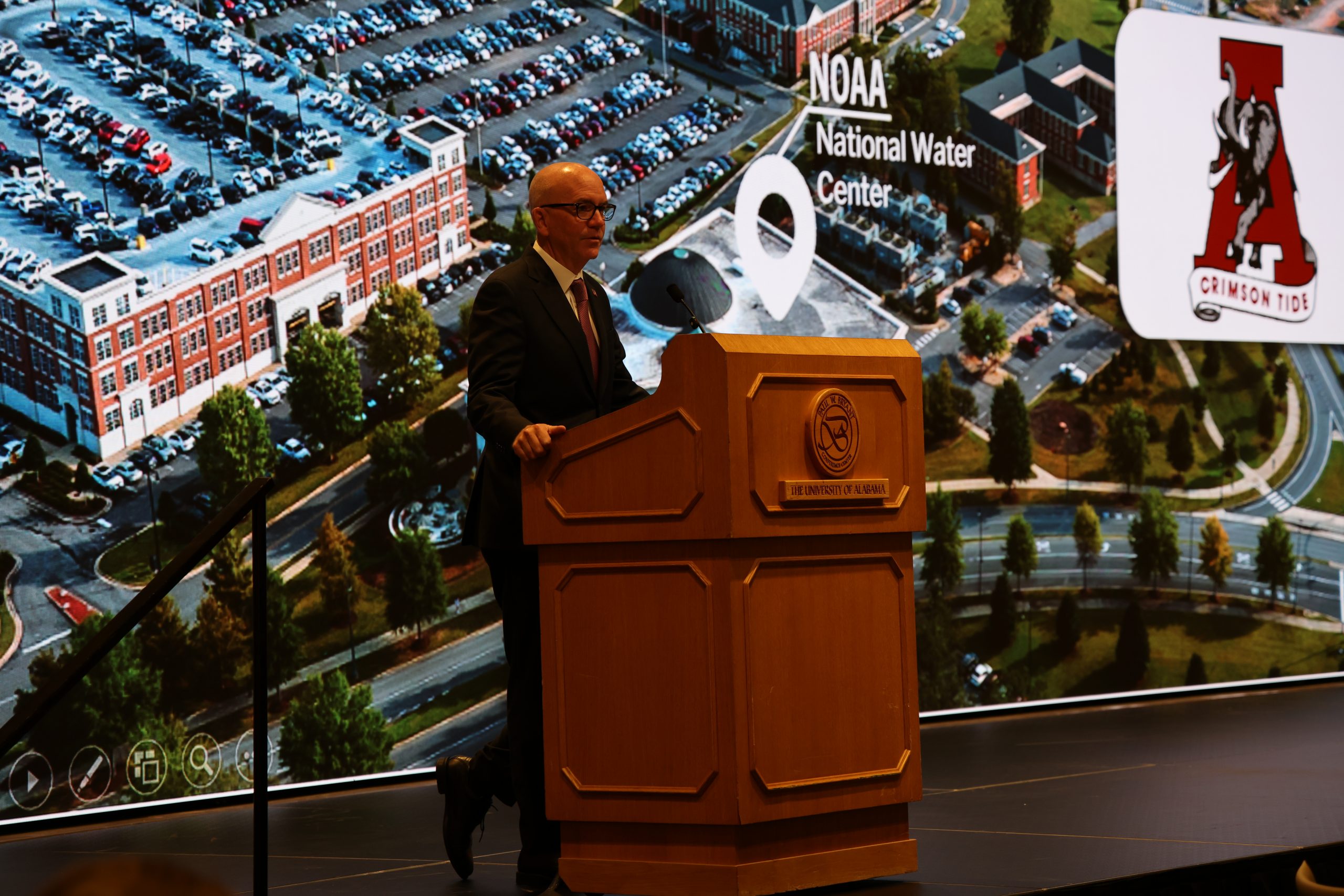
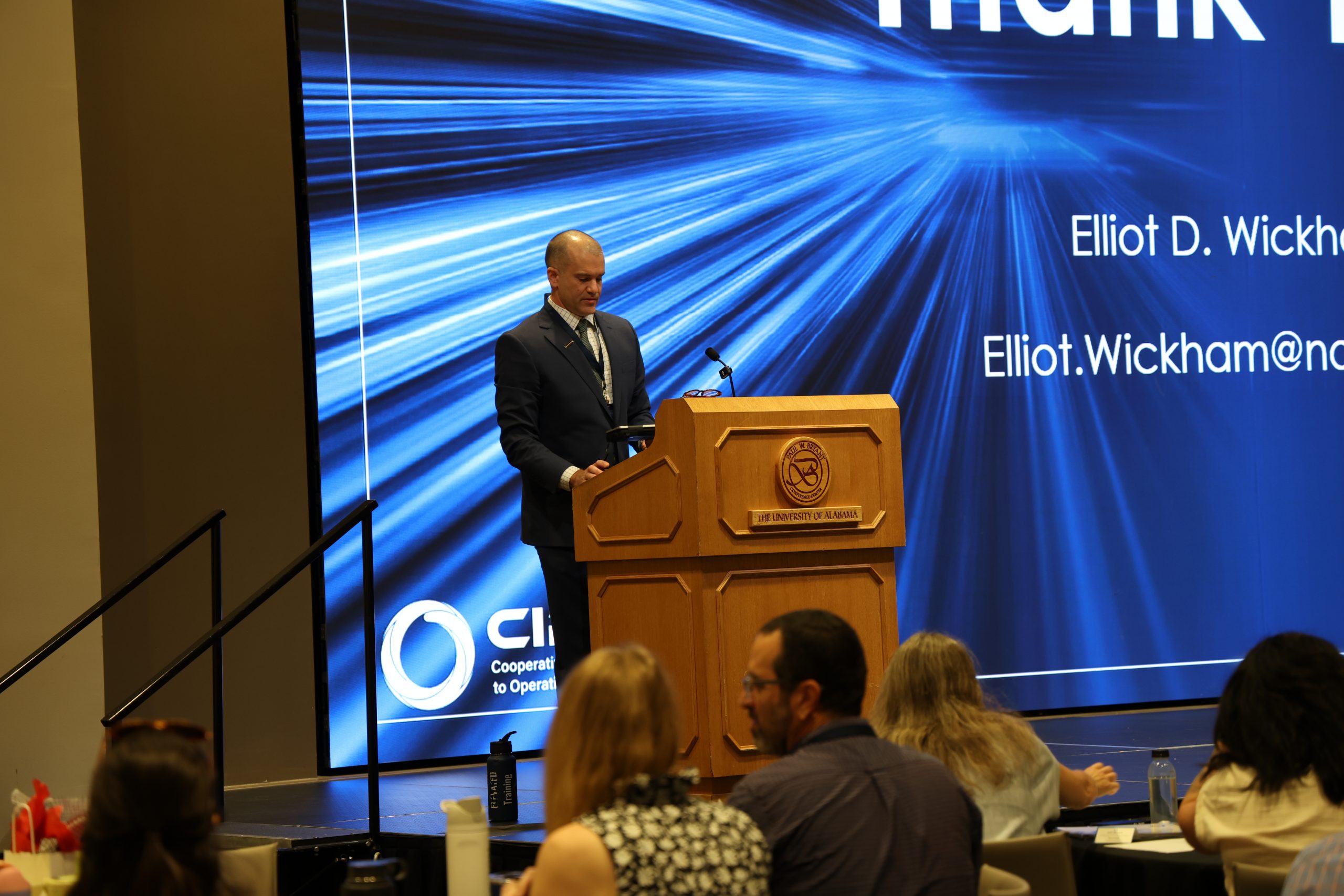

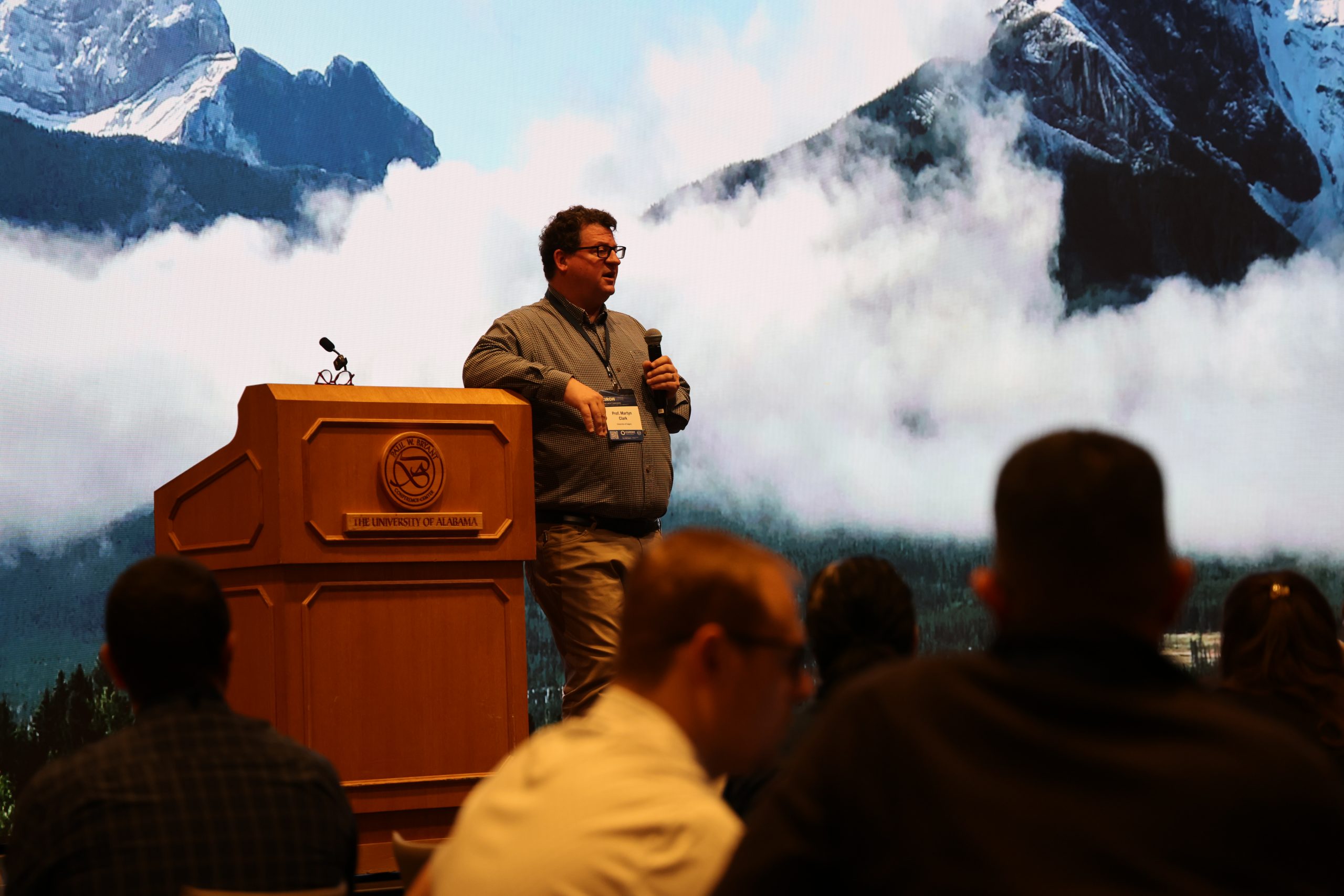
Keynote speakers shared perspectives on water prediction, research and real-world decision-making.
This year, CIROH introduced the CIROH Distinguished Lecture, an annual recognition of individuals whose work and leadership contribute to advancing water science and operations.
Dr. Fred L. Ogden, chief scientist for water prediction at NOAA’s OWP, was named the inaugural speaker. Ogden delivered the first lecture, “Using Standards to Advance Water Prediction: Moving from Custom Code to Scalable Community Science in Operations.” His presentation explored how standards can help move water prediction from custom-developed code toward scalable, community-driven science for operational applications.
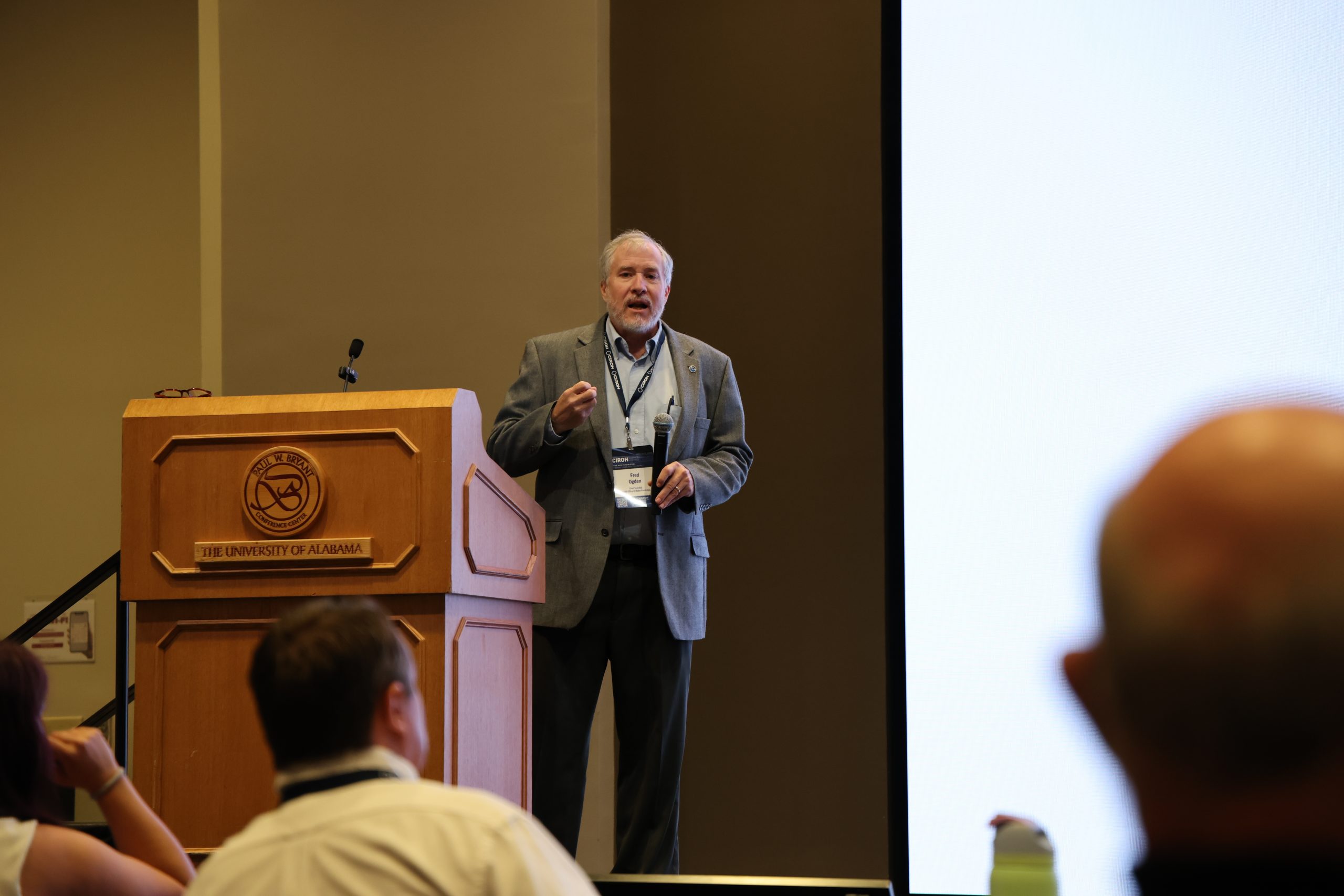
Dr. Fred L. Ogden, chief scientist for water prediction at NOAA’s Office of Water Prediction, delivers the inaugural CIROH Distinguished Lecture
Federal Town Halls: Aligning Research with Operational Needs
A central component of the Science Meeting was the opportunity to connect CIROH researchers directly with federal partners and operational practitioners.
Federal partner introductions, town halls, dedicated office hours and open meeting time provided opportunities for discussion, collaboration and alignment between research activities and practical operational needs. These interactions reinforced CIROH’s role as a bridge between the research community and the organizations responsible for delivering water prediction services.
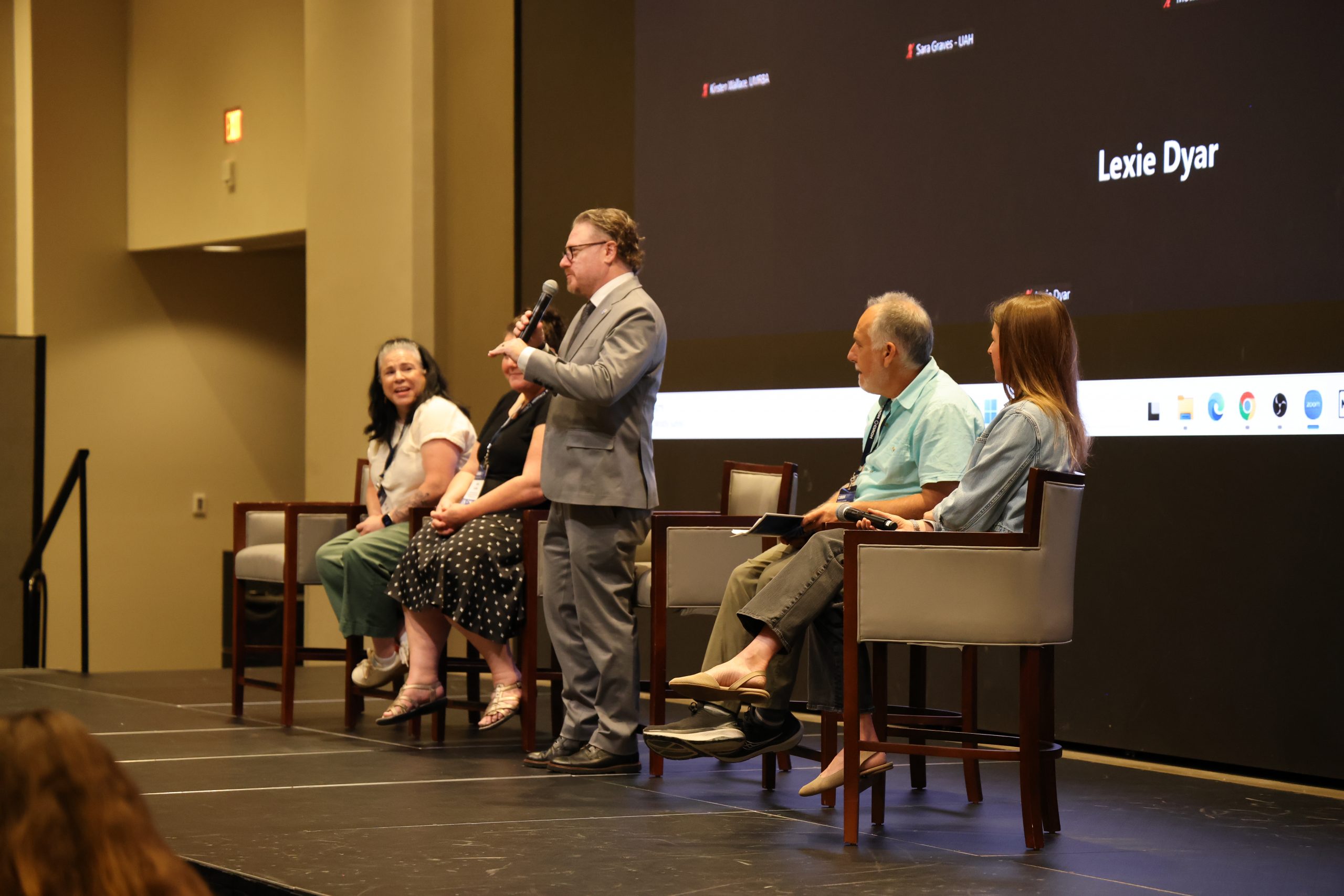
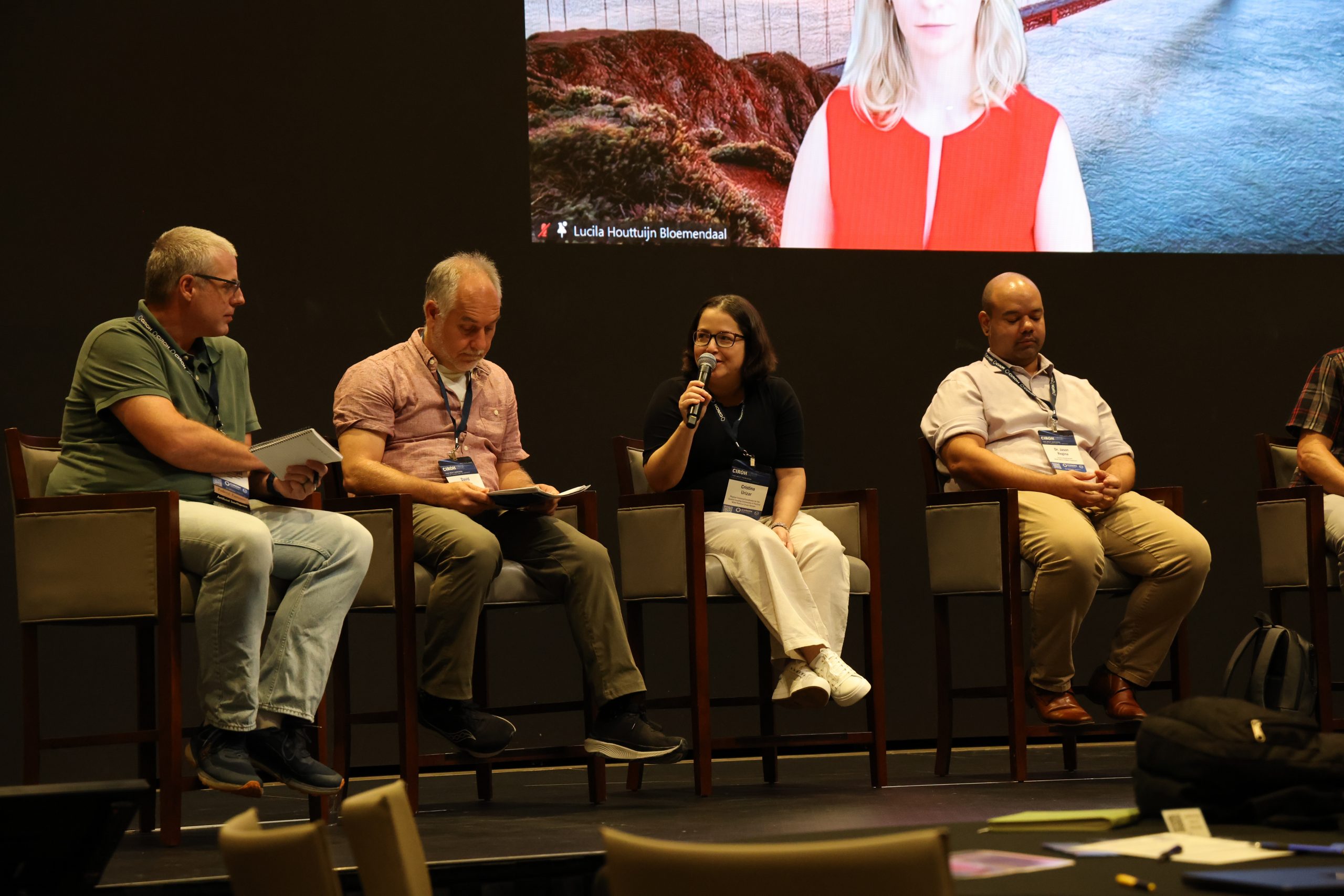

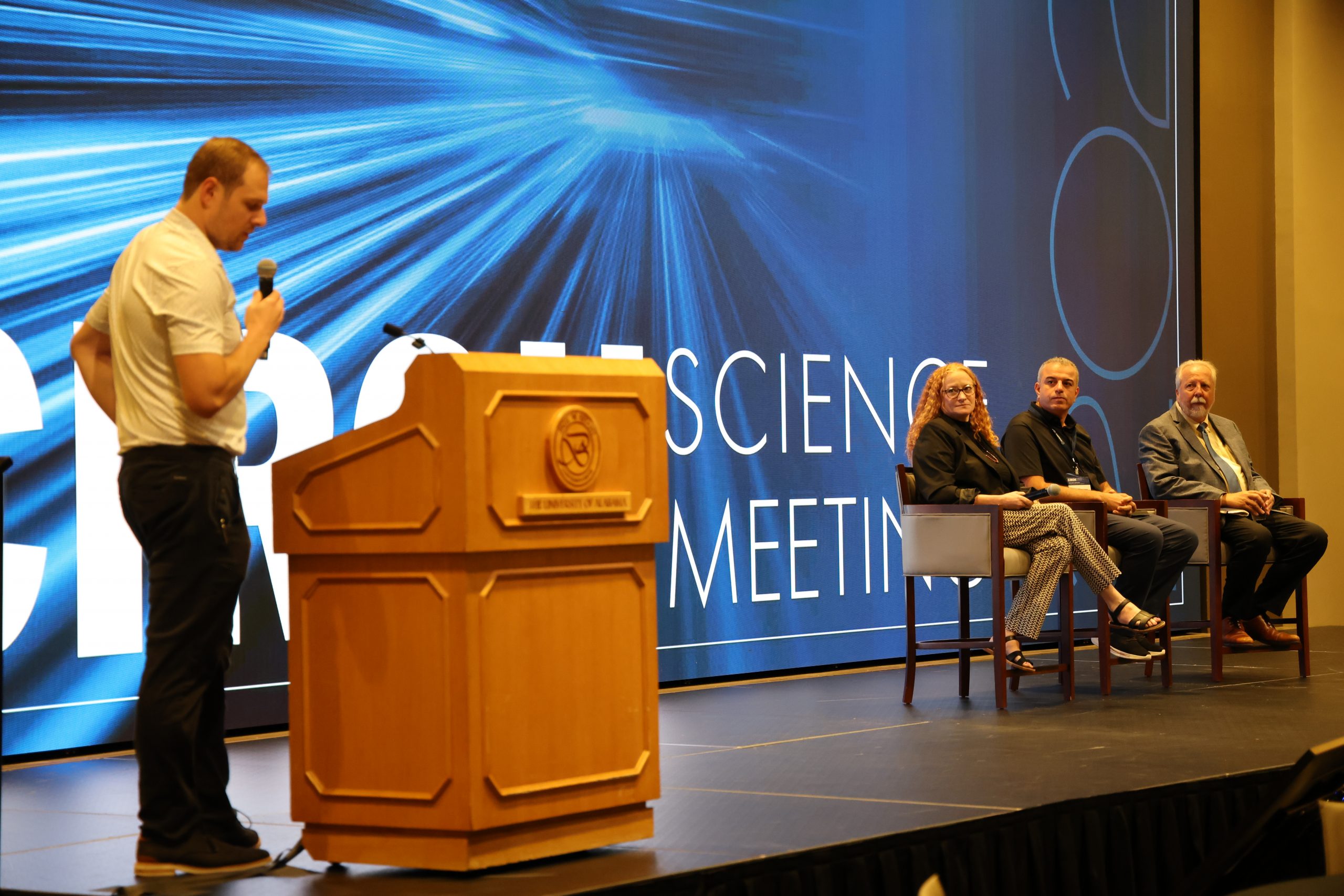
CIROH researchers and federal partners discuss operational needs, research priorities and opportunities for collaboration
Technical Sessions: Advancing CIROH’s Research Portfolio
The meeting’s technical sessions showcased the breadth of research across CIROH’s portfolio, with presentations, discussions and demonstrations spanning hydrologic modeling and forecasting, water quality, flood inundation, decision support, hydroinformatics and community science. Researchers shared advances aimed at improving water prediction systems, incorporating new data and modeling approaches, expanding probabilistic forecasting capabilities and addressing emerging needs across the water sector.
The sessions also highlighted the tools and interdisciplinary approaches that help move research toward practical applications. From advances in the Next Generation Water Resources Modeling Framework and cloud-based research environments to research examining user needs and decision-making, the technical program demonstrated how CIROH’s research themes work together to strengthen water prediction and connect scientific advances with operational and community needs.


Researchers from across the CIROH community presented their latest work and advances in water science
Celebrating Research Excellence: R2O Award Winner Dr. Melissa Kenney
Named in honor of Dr. Thomas Graziano, former director of NOAA’s OWP and CIROH’s first technical program manager, the Research to Operations (R2O) Award recognizes an individual or team whose CIROH project has successfully advanced hydrologic research into operational use. The award honors innovations that are currently in use or poised for near-term adoption and strengthen real-world hydrology applications by bridging the gap between research and operations. CIROH announces the award annually at its Science Meeting.
This year, Dr. Melissa Kenney, director of research and knowledge initiatives at the University of Minnesota’s Institute on the Environment, received the R2O Award in recognition of her work advancing decision support science as an integral part of hydrologic research-to-operations. Through her work with the University of Minnesota decision support team, Kenney and her collaborators have focused on understanding what people need from flood information, evaluating how effectively flood products support those needs and using that evidence to improve the usability of NOAA Flood Inundation Mapping products and visualizations.
The work demonstrates how CIROH brings research and operational expertise together to address a practical challenge: understanding what people need from flood information, evaluating whether existing products meet those needs and using those findings to improve the tools available to decision-makers. These efforts include the development of the NWPS Emulator, which provides a setting to test new questions and approaches before potential operational implementation.
“I’m honored to receive this award, and I really see it as recognition of our entire decision support team and the partners who have done this work with us,” Kenney said. “We bring decision support science together with hydrology and operational expertise so that we’re not only advancing flood science but also asking whether the information we produce is understandable, usable and supports the decisions people need to make.”


Melissa Kenney receives the 2026 Research to Operations Award during the CIROH Science Meeting.
Best in 5 Demo
The Science Meeting also put CIROH research in the spotlight through the “Best in 5 Demo” competition. Ten participants took the stage, each with just five minutes to demonstrate a project, tool or research application of their choice.
A panel of judges evaluated each demonstration based on both the technical benefits of the work and the participant’s ability to effectively present their research. The result was a fast-paced showcase of the innovative work happening across the CIROH community.
This year’s Best in 5 Demo winner was Anindya Palaparthi Ani presenting “Global-RSWQmonitor: Global Water Quality Mapping and Monitoring with Landsat-8/9 and Sentinel-2 Multispectral Imagery on Google Earth Engine Cloud Platform.”
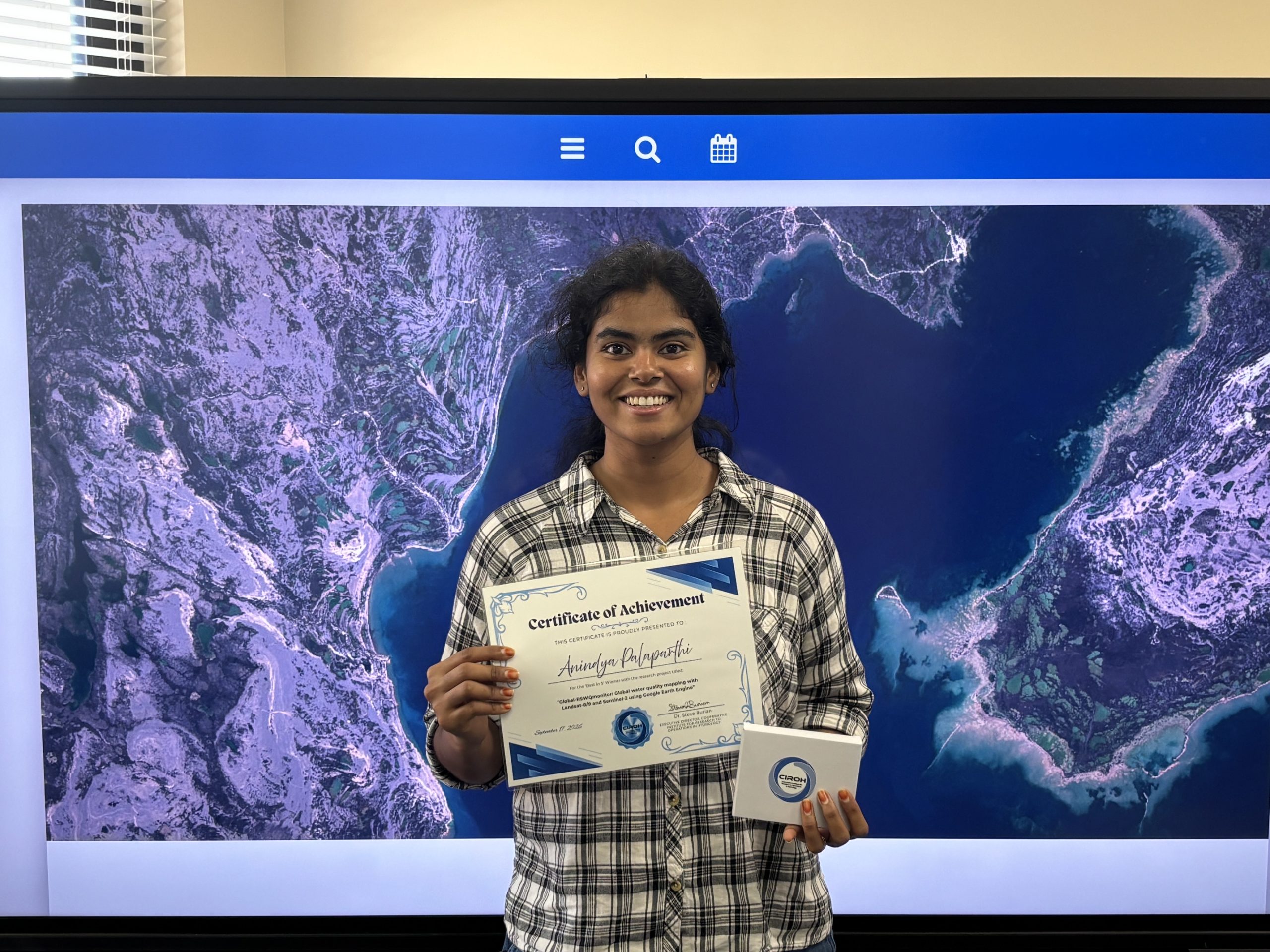
Best in 5 Demo winner Anindya Palaparthi poses with her award.
Building Connections Across the CIROH Community
Beyond the technical program, the meeting provided dedicated opportunities for participants to connect, exchange ideas and strengthen relationships across the consortium.
From the pre-meeting kickoff and CIROH Research Exchange (CREX) to informal discussions, networking activities and the scheduled Dine-O-Round in Tuscaloosa, these gatherings created space for collaboration beyond the presentation sessions. These connections are an important part of CIROH’s collaborative model, supporting the exchange of knowledge and helping build partnerships that extend beyond the annual meeting.

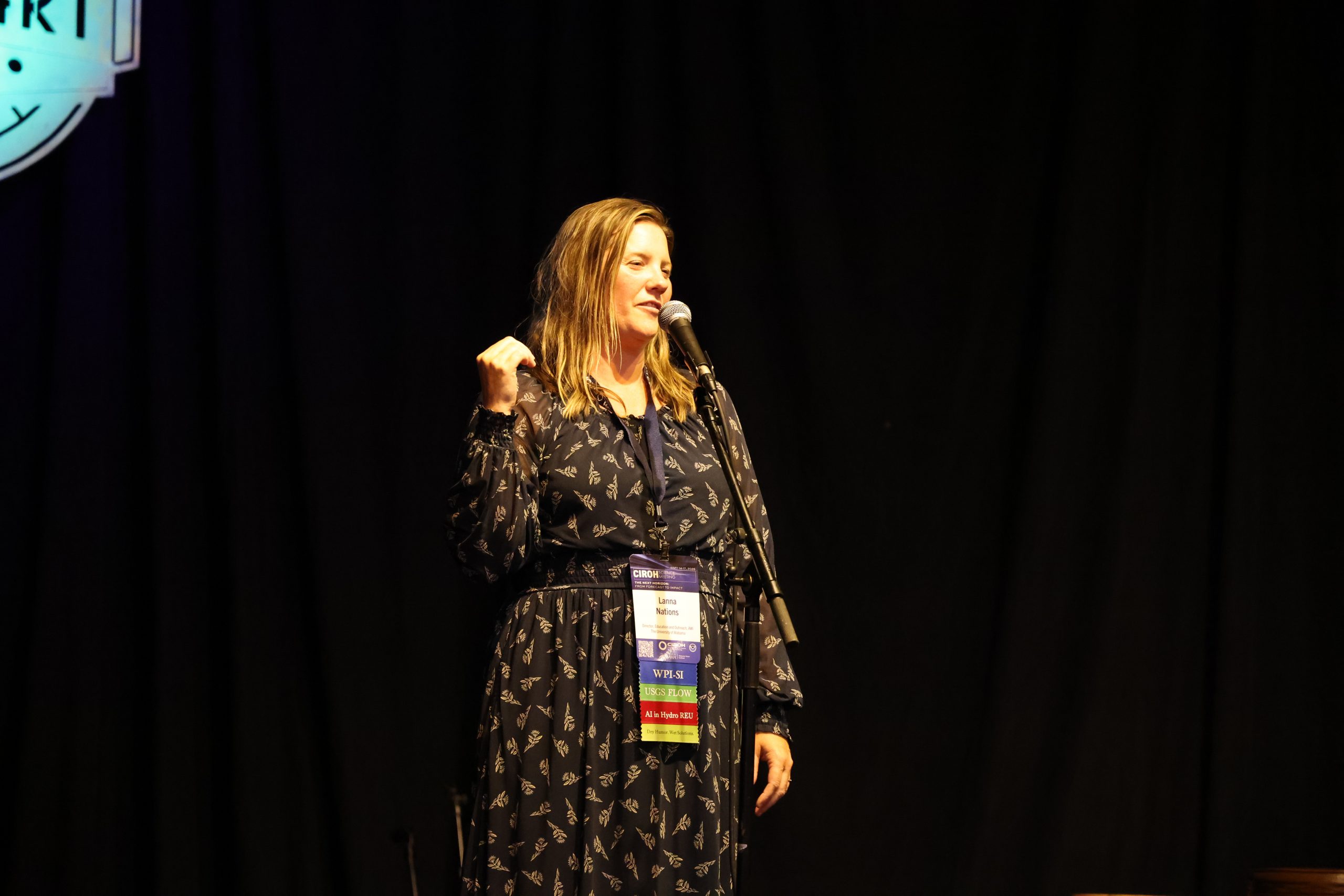

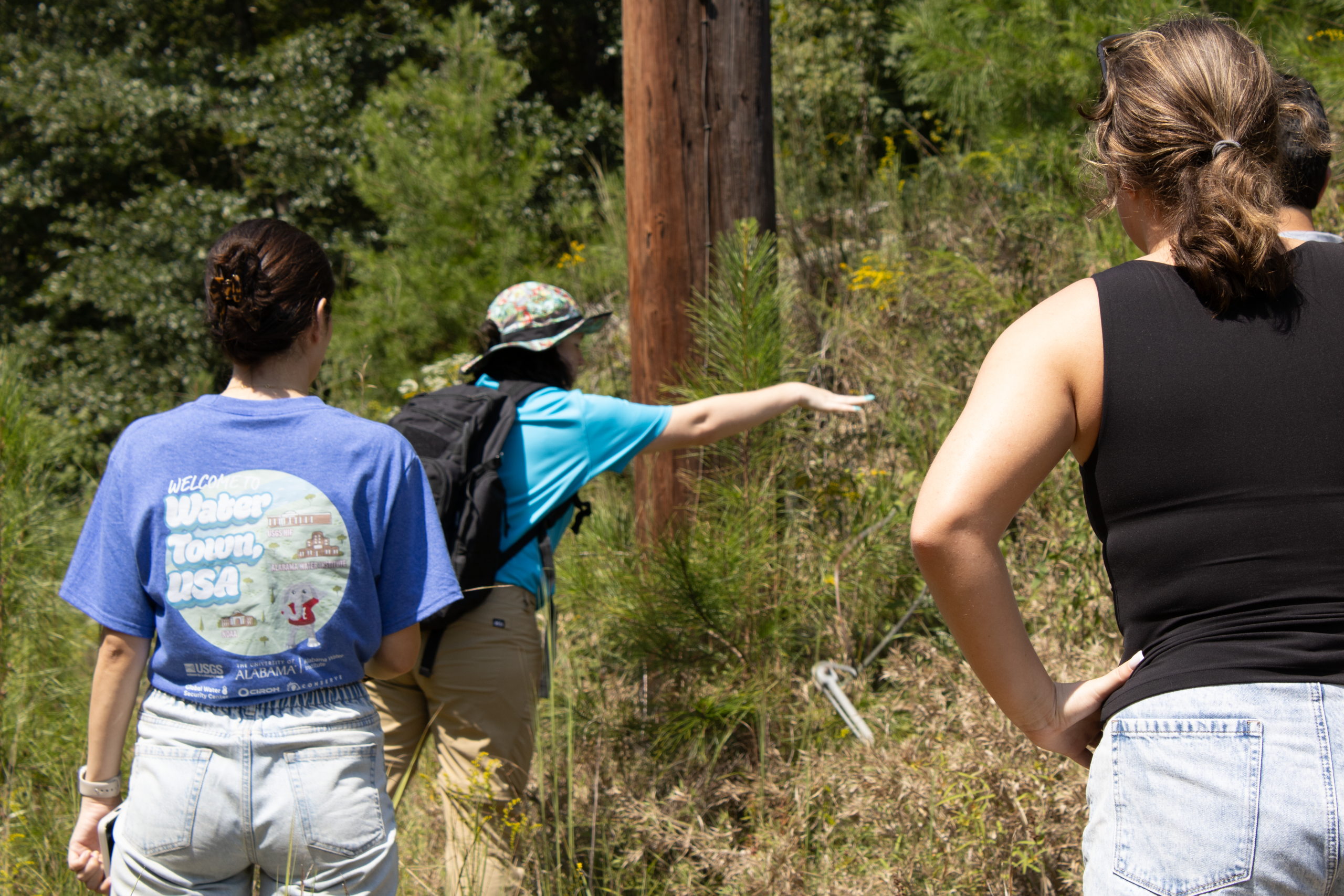
Attendees connect, exchange ideas and build relationships during networking events throughout the Science Meeting.
Looking Ahead: The Next Horizon
The 2026 CIROH Science Meeting brought together a diverse community to share research, explore operational challenges and consider opportunities to strengthen water prediction capabilities. This event was an opportunity for CIROH researchers to calibrate their research programs to meet the needs of communities and federal partners.
As CIROH looks toward its next chapter, the institute will continue working with NOAA, federal partners, researchers and practitioners to advance water science and mobilize research into operations and applications.
The discussions, collaborations and research showcased throughout the meeting will help inform CIROH’s continued efforts to connect scientific innovation with practical needs and decision support. CIROH looks forward to building on the momentum of the 2026 Science Meeting as the community continues working toward the next horizon, from forecast to impact.


Attendees from across the water science community came together for the 2026 CIROH Science Meeting
About CIROH
The Cooperative Institute for Research to Operations in Hydrology (CIROH) is a NOAA Cooperative Institute hosted at The University of Alabama and supported by the National Weather Service. As a unique national consortium with 28 partner institutions, CIROH unites academic, government and private sector partners to co-produce research that enhances operational water prediction capabilities and informs critical decision-making for issues like floods, droughts and water quality. Through its interdisciplinary research, educational initiatives and outreach programs, CIROH advances NOAA’s water prediction services with new techniques such as artificial intelligence and remote sensing, equips the next generation of water-resource professionals with essential skills and fosters public and stakeholder engagement to support federal agency and private sector needs. CIROH transforms scientific innovations into practical solutions and operational tools that boosts the delivery of actionable water intelligence, increases effectiveness of water resources management, promotes community resilience and informs decision-makers across the United States.